Ever noticed how some delivery vans seem to glow when your headlights hit them at night? That’s just the reflective vinyl. That’s reflective vinyl doing exactly what it’s built to do. If you’ve been researching vehicle branding options for a fleet that’s out on the road past sunset, reflective wraps probably came up somewhere in your search. And for good reason. Let’s talk through what they actually offer, where they make sense, and whether they’re worth the extra thought for your business.
Quick Answer
Reflective vehicle wraps use vinyl that bounces light back toward its source, so your branding lights up the moment headlights hit it. That means better visibility after dark, easier fleet recognition, and branding that keeps working even when the sun’s long gone.
What Exactly Is a Reflective Vehicle Wrap?
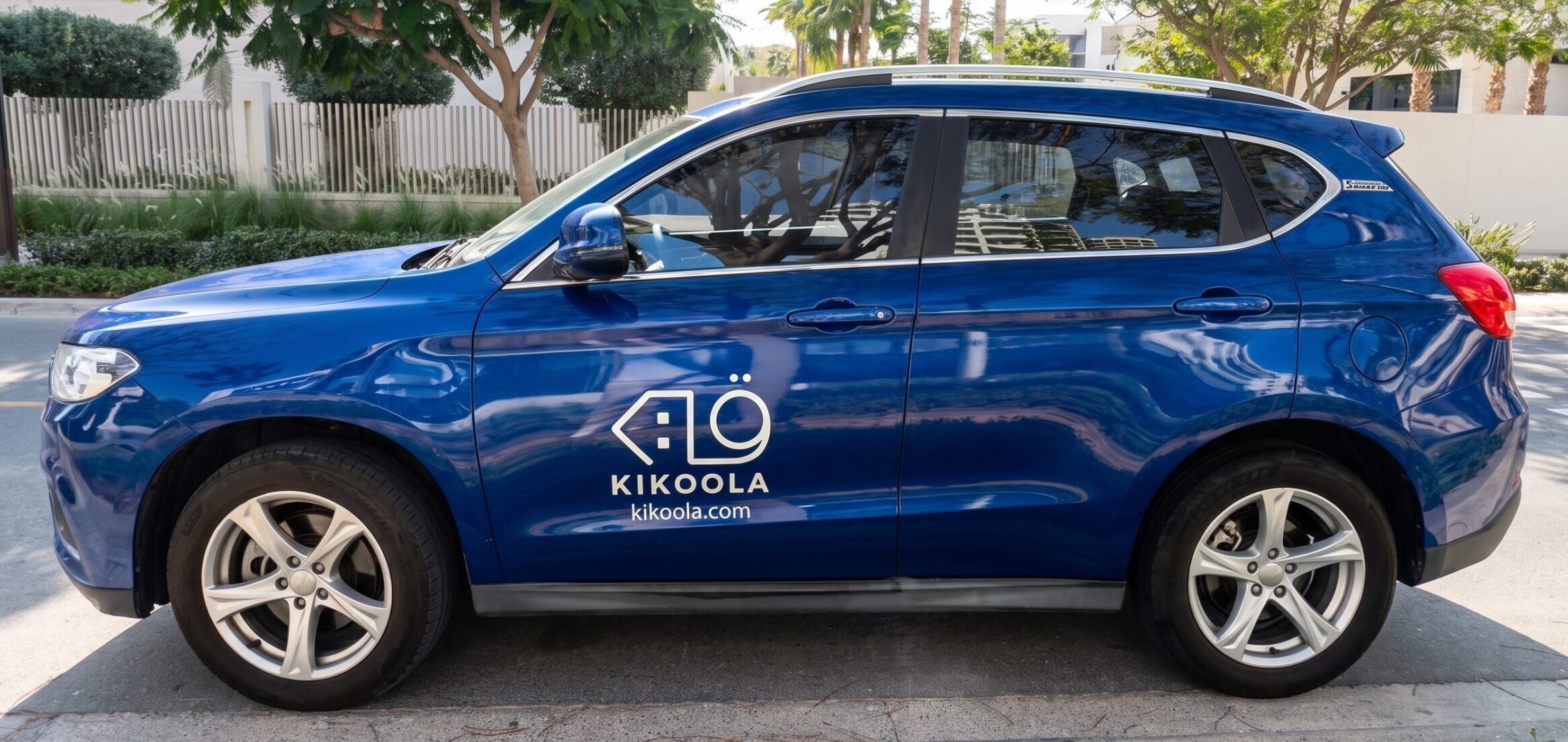
Picture standard vinyl, then add a layer of tiny glass beads or a prismatic film underneath. That’s essentially the difference. When light hits that layer, instead of just absorbing it like regular vinyl, it throws the light straight back. That’s why reflective graphics seem to pop out of nowhere in the dark. A regular wrap looks great in daylight but goes fairly quiet once the sun sets. Reflective vinyl doesn’t have that problem; it just needs a light source nearby to do its job. You’ll usually spot this material on delivery vans, roadside assistance trucks, and other vehicles that spend a good chunk of their time on the road after hours.
Why Would You Actually Want a Reflective Wrap?
Here’s where it gets practical. This isn’t just a flashy upgrade; it solves a few real problems businesses run into once their vehicles are out past daylight hours.
Your Vehicle Actually Gets Seen at Night
This is the whole point, really. Reflective vinyl catches oncoming headlights and street lighting and throws that light right back out, making your graphics far more noticeable than plain vinyl in the dark. If your vans or trucks are running early morning routes or late evening deliveries in Dubai, this alone can be reason enough to consider it.
People Can Tell Your Fleet Apart, Fast
Think about a busy loading dock or an industrial area at dusk. Everything starts to blend together. A reflective van stands out immediately, which makes it easier for staff, clients, or drivers to spot at a glance. This matters more than you’d think for delivery fleets, service vehicles, and logistics companies where quick identification saves time.
Your Branding Doesn’t Clock Out at Sunset
Regular vehicle graphics basically go to sleep once it’s dark. Reflective wraps keep working, so your logo and company name stay visible whenever a car’s headlights sweep across them. You’re essentially getting more hours of exposure out of the same wrap without paying anything extra for it.
The Important Stuff Actually Stands Out
Your phone number, your logo, maybe a safety warning if your vehicle needs one, these are the details that matter most. Reflective treatment makes sure they’re readable exactly when someone needs to read them. A driver behind your truck at night can actually make out your contact number instead of squinting at a dark shape.
You Get Round-the-Clock Branding, Not Just Daytime
This is really the combined effect of everything above. Your wrap does its normal job in daylight, then switches into a second mode once it’s dark. Two forms of visibility from one investment.
Your Vehicle Simply Looks Different
There’s also just the visual factor. A reflective finish gives your vehicle a look that standard wraps can’t replicate, and that kind of distinctiveness tends to stick in people’s memory. If your fleet runs the same routes regularly, that visual difference can genuinely help with brand recall over time.

Who Actually Uses These Wraps?
Reflective vinyl tends to show up wherever vehicles are working outside normal daylight hours. A few common examples:
- Delivery vans and courier fleets
- Logistics and transport trucks
- Construction vehicles
- Roadside assistance vans
- Service and maintenance vehicles
- Security patrol vehicles
- Emergency-related fleets, where allowed
- General company cars that run late shifts
Basically, if your vehicle is on the road when it’s dark out, there’s a decent case for reflective vinyl somewhere on it.
Reflective vs. Standard Wraps, Side by Side
It’s easier to see the difference laid out plainly, so here’s a quick comparison.
| Feature | Reflective Wrap | Standard Wrap |
| Daytime branding | Yes | Yes |
| Reflects headlights | Yes | Usually not |
| Nighttime visibility | Noticeably higher | Standard |
| Advertising value | Yes | Yes |
| Design flexibility | Wide range | Wide range |
Both do the daytime job equally well. The real gap opens up once the lights go down, and that’s when reflective vinyl earns its keep.

Does Every Vehicle Need One?
Honestly, no. And that’s worth saying plainly instead of pushing it as a must-have for every situation. If your vehicle is parked in a garage every evening and only drives during the day, reflective vinyl probably isn’t doing much for you. But if you’re running night deliveries, early morning routes, or operating in areas with poor street lighting, it starts making a lot more sense. Some businesses also go partial, applying reflective treatment only to key elements like the logo or phone number rather than wrapping the whole vehicle in it. That’s a fair middle ground if budget’s a concern. Worth checking local vehicle branding rules too, since not every reflective layout automatically clears advertising guidelines depending on where and how it’s applied.
How Long Does This Stuff Actually Last?
There’s no single number that fits every wrap, and honestly, anyone who gives you an exact figure without asking questions first is probably guessing.
What actually determines the lifespan:
- The quality of the vinyl used
- How well it was installed
- How much direct sun exposure the vehicle gets
- How it’s cleaned
- General weather conditions
- How often and how far the vehicle drives
A premium reflective wrap installed properly and cleaned the right way will simply outlast a cheap one dealing with constant heat and rough handling. If you want a real number, ask the manufacturer for the specific vinyl’s rated performance.
What Does the Installation Actually Involve?
It’s not wildly different from a standard wrap install, just with a bit more attention paid to the reflective layer bonding correctly. The general flow looks like this:
- Vehicle inspection
- Design preparation
- Surface cleaning
- Vinyl cutting and printing
- Application
- Edge and finish inspection
- Final approval check
Skip the cleaning step or rush the application, and you risk trapping dust under the vinyl, which shows up later as bubbling or a rough finish. Not something you want on a wrap you’re paying good money for.

Keeping a Reflective Wrap Looking Good
Maintenance isn’t complicated, but it does matter if you want the reflective properties to hold up.
- Wash it with mild soap and a soft cloth
- Skip harsh chemicals and strong solvents
- Stay away from automatic car washes with brushes
- Follow whatever cleaning guidance the vinyl manufacturer gives
- Check the edges now and then for lifting
This is really just an extension of solid car wrap maintenance in Dubai, which matters just as much for reflective vinyl as it does for a standard wrap in this climate.
Are These Actually Legal on Dubai Roads?
Reflective wraps fall under the same Dubai RTA rules that govern any commercial vehicle branding in Dubai. There’s no separate free pass just because the vinyl reflects light. So before you commit to a design, it’s worth confirming the layout and coverage actually meet RTA requirements. Not every reflective design gets automatic approval; it depends on how it’s applied and how much of the vehicle it covers. Working with a vehicle branding company in Dubai that’s handled RTA approvals before makes this part a lot less stressful, since they already know what tends to pass and what doesn’t.
What Does the Actual Cost Look Like?
There’s no flat number here either, and honestly, anyone quoting a fixed price without seeing your vehicle is skipping a few important questions.
What actually drives the cost:
- Size of the vehicle
- Full wrap vs partial coverage
- The specific reflective vinyl used
- How complex the design is
- Number of vehicles involved
- What the installation setup requires
- Whether old graphics need removing first
Your best move is getting a proper quote from a vehicle wrapping service after they’ve actually seen the vehicle and your design brief. That’s the only way the number means anything.
Is It Actually Worth Spending On?
Depends on how your vehicles are used, honestly. If nighttime visibility and brand recognition matter to your operations, reflective wraps tend to earn their cost back in exposure alone. They make the most sense for commercial fleets and vehicles running evening or early morning hours, exactly when standard branding starts losing its impact. If you’re still weighing your options, it’s worth stepping back and looking at the full range of types of vehicle branding available before deciding whether reflective vinyl fits your budget and goals.


Feel free to leave a comment!
Your email address will not be published. Required fields are marked *