Your delivery van sits in traffic for twenty minutes every day. Hundreds of people see it. Are they seeing a plain white box or a moving billboard that makes them remember your business?
That’s the real power of car wrap designs. For small businesses working with tight marketing budgets, a well-designed vehicle wrap turns everyday driving into constant, passive advertising. No monthly ad spend, no click-through rates to worry about, just visibility every time you’re on the road.
This guide walks you through everything that goes into creating wrap designs that actually stop people mid-scroll (or mid-stoplight glance).
We’ll cover design principles, color psychology, layout mistakes, and how to work with a professional wrap studio to get it right the first time.
Quick Answer: What Makes a Car Wrap Design Effective?
An effective car wrap design uses bold, high-contrast colors, a clean logo placement, minimal text, and a clear call to action visible from at least 50 feet away. It should be legible at driving speed, consistent with your brand identity, and printed on quality vinyl material by an experienced installer. Small businesses see the best results when the design prioritizes one strong message over cluttered information, since car wraps for small businesses work as fast-glance advertising, not brochures.

Why Car Branding on Vehicles Works So Well
Vehicle graphics generate thousands of visual impressions daily, according to studies from the Outdoor Advertising Association of America. That’s more cost-effective than most digital ad campaigns.
Unlike a billboard you rent for a month, a wrapped vehicle is a one-time investment that keeps advertising for years. It travels through neighborhoods, parking lots, and highways your target customers actually use.
Car branding also builds trust. A branded fleet looks established and professional, even if you’re a two-person plumbing business or a home bakery just getting started.
People remember visuals more than text. A distinctive wrap design creates brand recall in ways a business card or flyer simply can’t match.
The Core Elements of a Strong Wrap Design
1. Keep the Message Simple
You have about three seconds to communicate with someone driving past. That’s not enough time for a paragraph of services or a cluttered list of certifications.
Pick one primary message. Your business name, your main service, and a phone number or website are usually enough.
Everything else is noise that competes for attention and weakens the whole design.
2. Use Bold, Contrasting Colors
Color is the first thing people notice, often before they even register your logo. High-contrast combinations like navy and yellow or black and orange are the most eye-catching.
Stick to your existing brand palette if you have one. Consistency across your website, business cards, and vehicle wrap builds recognition over time.
Avoid pairing similar tones like light blue on white. It looks clean up close but disappears from a distance.
3. Prioritize Legibility Over Cleverness
Fancy script fonts might look elegant on a menu, but they’re nearly impossible to read on a moving vehicle. Choose bold, sans-serif fonts for anything time-sensitive.
Your phone number and website URL need to be large enough to read in a quick glance. If people have to squint, they’ve already looked away.
4. Design Around the Vehicle’s Shape
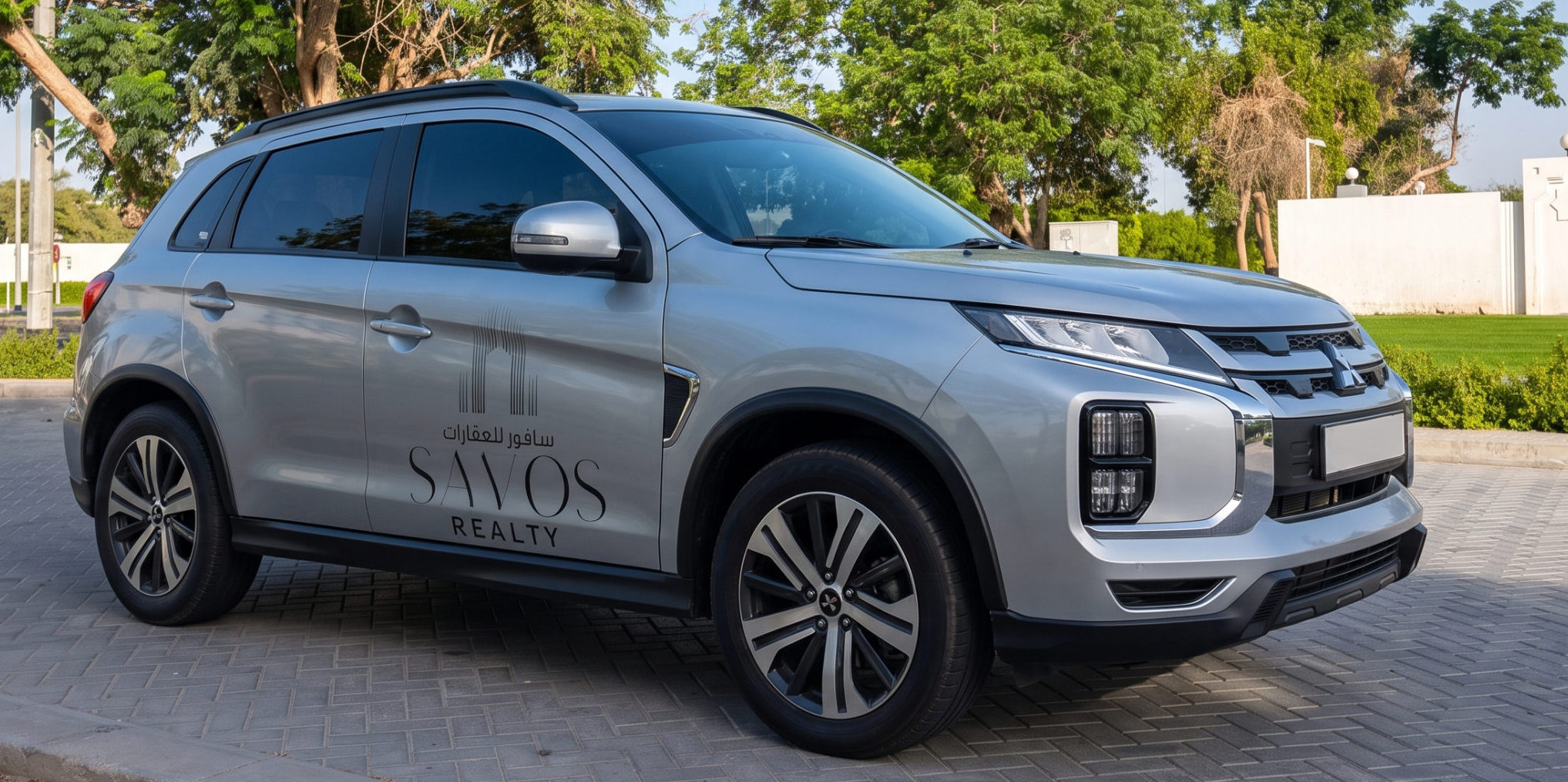
Car wraps for small businesses aren’t printed on a flat rectangle. Door handles, wheel wells, mirrors, and window curves all interrupt the surface.
A skilled designer plans the layout around these obstacles instead of placing text where it’ll get cut off or distorted. This is where working with an experienced studio really pays off.
5. Include a Clear Call to Action
Don’t just tell people who you are. Tell them what to do next.
“Call now,” “Visit us today,” or a simple QR code linking to your website all work well. Make the next step obvious.
Common Car Wrap Design Mistakes to Avoid
Small businesses often make the same handful of errors when designing their first wrap. Here’s what to watch for:
Too much text: Cramming every service you offer onto one vehicle overwhelms viewers and dilutes your message.
Low-resolution logos: A blurry or pixelated logo undermines your credibility before anyone reads a word.
Ignoring negative space: A design with no breathing room feels chaotic and hard to process quickly.
Poor color contrast: Text that blends into the background is wasted advertising space.
Skipping a professional mockup: What looks good on a screen doesn’t always translate to a curved metal surface.
Forgetting reflective or night visibility: Vehicles are seen in low light too, and matte finishes can vanish after dark.

Full Wrap, Partial Wrap, or Decals? Choosing the Right Option
Not every small business needs a full vehicle wrap. Budget, vehicle type, and branding goals all factor into the decision.
| Wrap Type | Coverage | Best For | Approximate Cost Range |
| Full Wrap | Entire vehicle | Businesses wanting maximum visibility and a strong brand statement | Higher investment |
| Partial Wrap | 30 to 70 percent of vehicle | Businesses with moderate budgets wanting solid brand presence | Mid-range |
| Spot Graphics/Decals | Logo and contact info only | Startups or businesses testing vehicle branding first | Lower cost, entry-level |
| Window Perforated Vinyl | Rear or side windows | Adding messaging without blocking driver visibility | Add-on cost |
A partial wrap with a strong logo and bold color block often performs just as well as a full wrap, especially for businesses just starting their vehicle branding journey.
Choosing Colors That Reflect Your Brand Identity
Color psychology plays a bigger role in wrap design than most people realize. Red creates urgency and energy, which works well for food trucks and fitness businesses.
Blue communicates trust and professionalism, a common choice for contractors, plumbers, and financial services. Green often signals sustainability, health, or landscaping-related businesses.
Whatever palette you choose, consistency matters more than trendiness. Your wrap should match your logo, website, and signage so customers recognize your brand across every touchpoint.
Material and Print Quality Matter More Than You Think
Even the best design fails if it’s printed on low-grade vinyl or installed poorly. Cheap materials fade, bubble, and peel within months, especially under harsh sun exposure.
Look for cast vinyl rather than calendared vinyl for long-term durability. Cast vinyl conforms better to curves and resists shrinking over time.
Lamination adds another layer of protection against UV rays, scratches, and general wear from daily driving. This extends the lifespan of your investment significantly.
Ask your wrap provider about the expected lifespan of the materials they use. Quality vinyl wraps typically last five to seven years with proper care.
Working with a Professional Car Wrap Design and Installation Team
DIY wrap kits exist, but small businesses rarely have the equipment or expertise to install them smoothly. Bubbles, misalignment, and peeling edges are common with amateur installations.
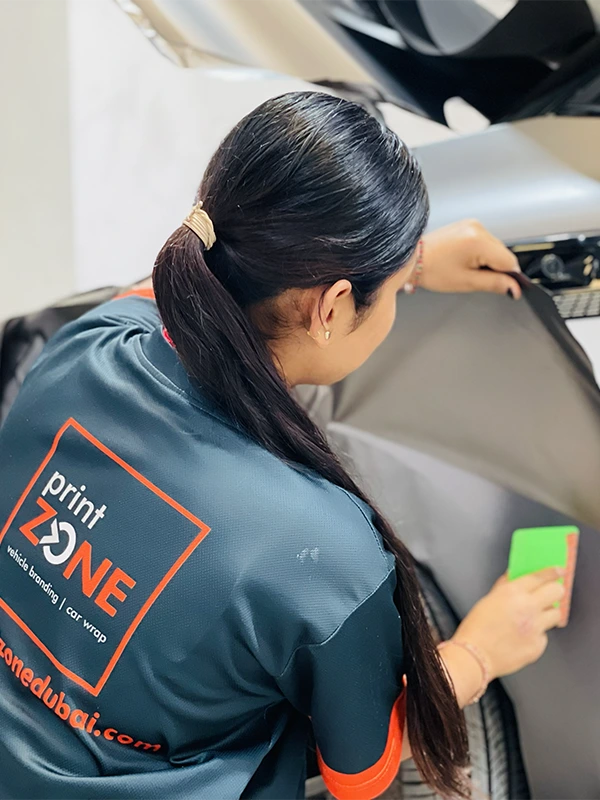
A professional team handles everything from initial concept design to precise measurements of your specific vehicle model. They understand how graphics wrap around curves, mirrors, and door seams.
Most reputable studios also offer design consultations, helping you translate your brand identity into a layout that actually works on a vehicle’s surface.
This collaborative process usually includes a digital mockup before printing, so you can approve the design and request changes before any material gets cut.

Measuring the ROI of Your Vehicle Wrap
Vehicle wraps are one of the most cost-effective forms of advertising available to small businesses today. Unlike social media ads that stop working the moment you stop paying, a wrap keeps generating impressions for years.
Many businesses track results through mentions like “saw your wrap” from new customers or by including a unique promo code visible only on the vehicle.
Compare the one-time cost of a wrap against months of digital ad spend, and the value becomes clear fairly quickly for most local service businesses.
The Bottom Line
A great wrap design isn’t about fitting in as much information as possible. It’s about making a strong, clear impression in the few seconds you get.
Focus on bold colors, legible fonts, and a simple message tied to your brand identity. Let your logo and call to action carry the message.
Whether you choose a full wrap or a smaller decal package, consistent quality in your print materials will determine how long your investment lasts.


Feel free to leave a comment!
Your email address will not be published. Required fields are marked *